PRIMARY
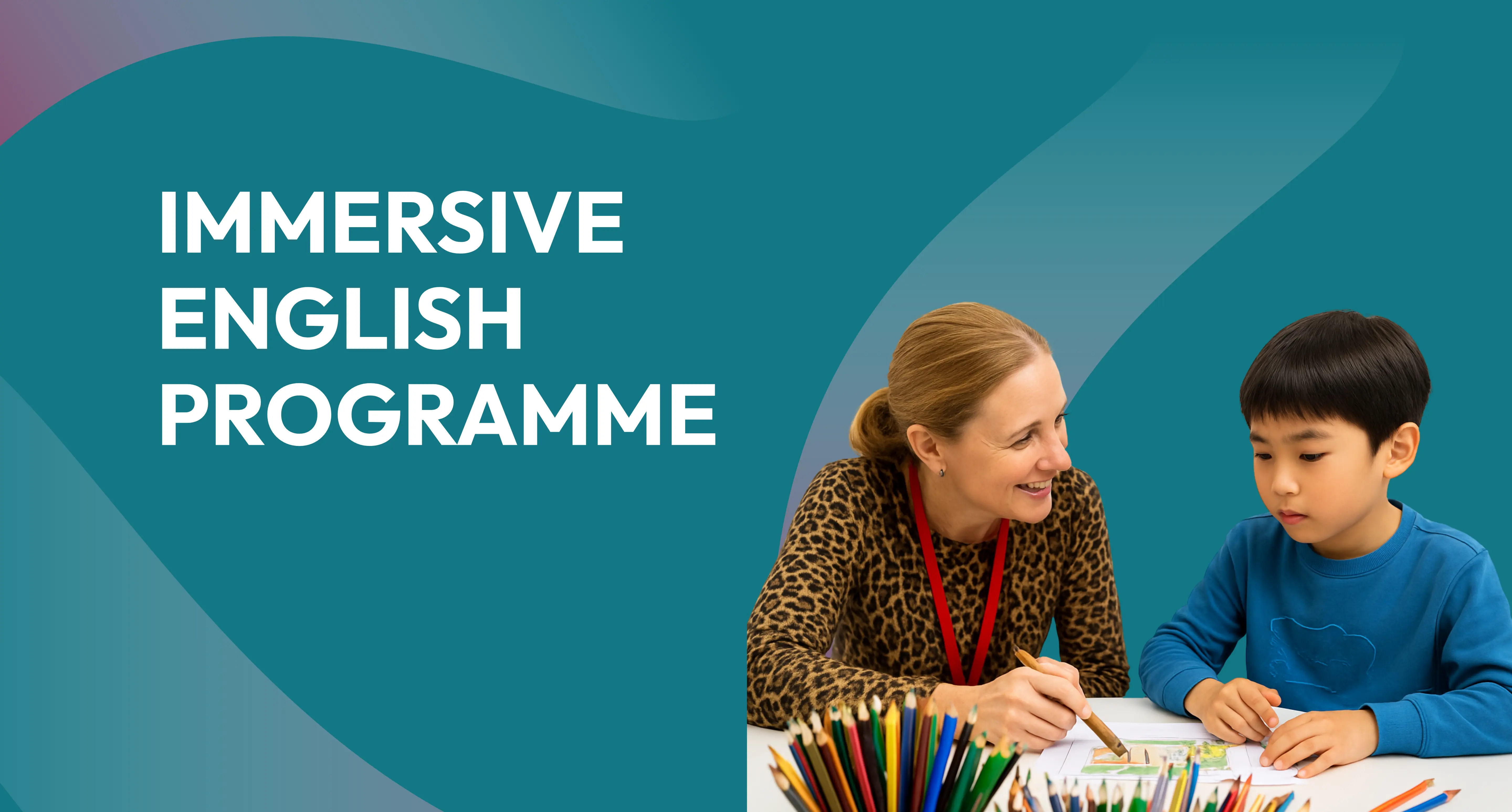
Immersive English Programme

We believe that language is the key to opportunity. Our new Immersive English Programme is designed for students who wish to develop high-level English proficiency while benefiting from a rigorous, balanced and inspiring education.
Rooted in the British curriculum and delivered by experienced teachers, the programme provides an academically strong yet nurturing pathway for internationally minded families.
Students follow a full and carefully sequenced curriculum, ensuring continuity and academic progress across all subject areas:
- Mathematics
- Science
- Humanities
- Art and Music
- Physical Education
- Luxembourgish and French
English is taught intensively, with a clear focus on language acquisition, literacy development and confident communication. French provision is personalised, with students placed in FLAM (French classes for native French speakers) or mainstream French classes according to their level, ensuring appropriate challenge and support.
Pathways designed for success
The Immersive English Programme prepares students for a range of onward pathways, including:
- Return to the local Luxembourgish education system
- Entry into English-language sections of European Schools, including both Schola Europaea and accredited institutions
- Continuation at St George’s, with seamless integration into mainstream classes (year group to be confirmed)
Our aim is to equip each child with the language skills, academic confidence and independence required for long-term success.

Frequently Asked Questions
| Who is the Immersive English Programme for? |
|---|
| The Immersive English programme aims to provide children with intensive English that will take them from beginner (A1/A2) to upper intermediate (B1/B2) level alongside a rich curriculum including Maths, Science, Humanities, French, Luxembourgish, Art, Music and Physical Education (PE). We use the CEFR language levels as a benchmark. |
| How much time is spent on English compared to other subjects? |
| Students will have a full and varied timetable. One of the advantages of this intensive approach is that children will engage in Content and Language Integrated Learning (CLIL), which accelerates acquisition of the target language. Our staff in Milepost 3 have shared their best practice with local Luxembourg schools and have a good understanding of the level of delivery of other subjects including Maths in the Luxembourg system. |
| How are lessons adapted for children with varying academic backgrounds? |
| We use many strategies to help children develop comprehension and participate fully whether speaking, listening, reading or writing in English. This includes pre-teaching vocabulary, visual clues and diagrams, scaffolding writing with sentence starters, and guided reading. |
| Are students taught together or separately? |
|
We will be teaching the group together the curricula are closely aligned. We are able to teach progressively so that we can introduce topics and provide differentiated challenges. This gives us the opportunity to group students with similar language levels, while also providing extension work to students who need deeper engagement. |
| Who teaches the programme and what experience do they have? |
|
The class will be led by an experienced primary teacher with a substantial background in EAL, working closely with our inclusion team, and supported by a dedicated teaching assistant with EAL expertise. Additionally, St George’s is part of Chat4EFL, an Erasmus+ School Education project exploring how AI-powered chatbots can make English language learning more inclusive and personalised. |
| What English level can my child realistically achieve by the end of the programme? |
|
If a child enters the course with A1/A2 English, able to understand some basic everyday language, by the end of the year, they are likely to achieve strong B1 and emerging B2 levels of fluency. This means that by the end of the year, a child would be able to follow mainstream English lessons, participate in class discussions, write in organised paragraphs and read age-appropriate texts, with the most advanced students able to understand and deliver extended speech and explanations orally, write structured stories or non-fiction assignments, use academic vocabulary and demonstrate critical thinking skills in English. |
| How successful are students at moving into European schools after this pathway? |
|
Students who leave our school transition successfully into a range of international and national systems. Their strong academic foundations, structured literacy development and experience in a multilingual environment equip them to adapt confidently to new educational settings. With B1/B2 English, they will have functional academic English. |
| If my child stays at St George's, how are they integrated into mainstream classes? |
|
During the academic year, we will be continually assessing the academic and language levels of each student. We also have parent-teacher consultations, which allow us to work in partnership with families to make sure that children are academically ready and supported with their language so that they can participate with confidence in mainstream classes. |
| Will Immersive English students join clubs and activities with other pupils? |
|
Our students in this programme will have full access to our after-school clubs, activities, sports and music. They will also participate in our residential and day trips with their peers and performances such as class assemblies and drama. We believe that the more our Immersive English students can mix with their peers, the better their English skills will develop. |
| How do we apply for the Immersive English Programme? |
|
There is a limited number of places as we believe that children will thrive in a small class of up to 15 students. If you are interested in the Immersive English Programme, please complete the standard application form and make an appointment by email, phone (+352 42 32 24) or Contact Us form to meet our Admissions Officer to tour the school and have a taster day. |
What our students look forward to
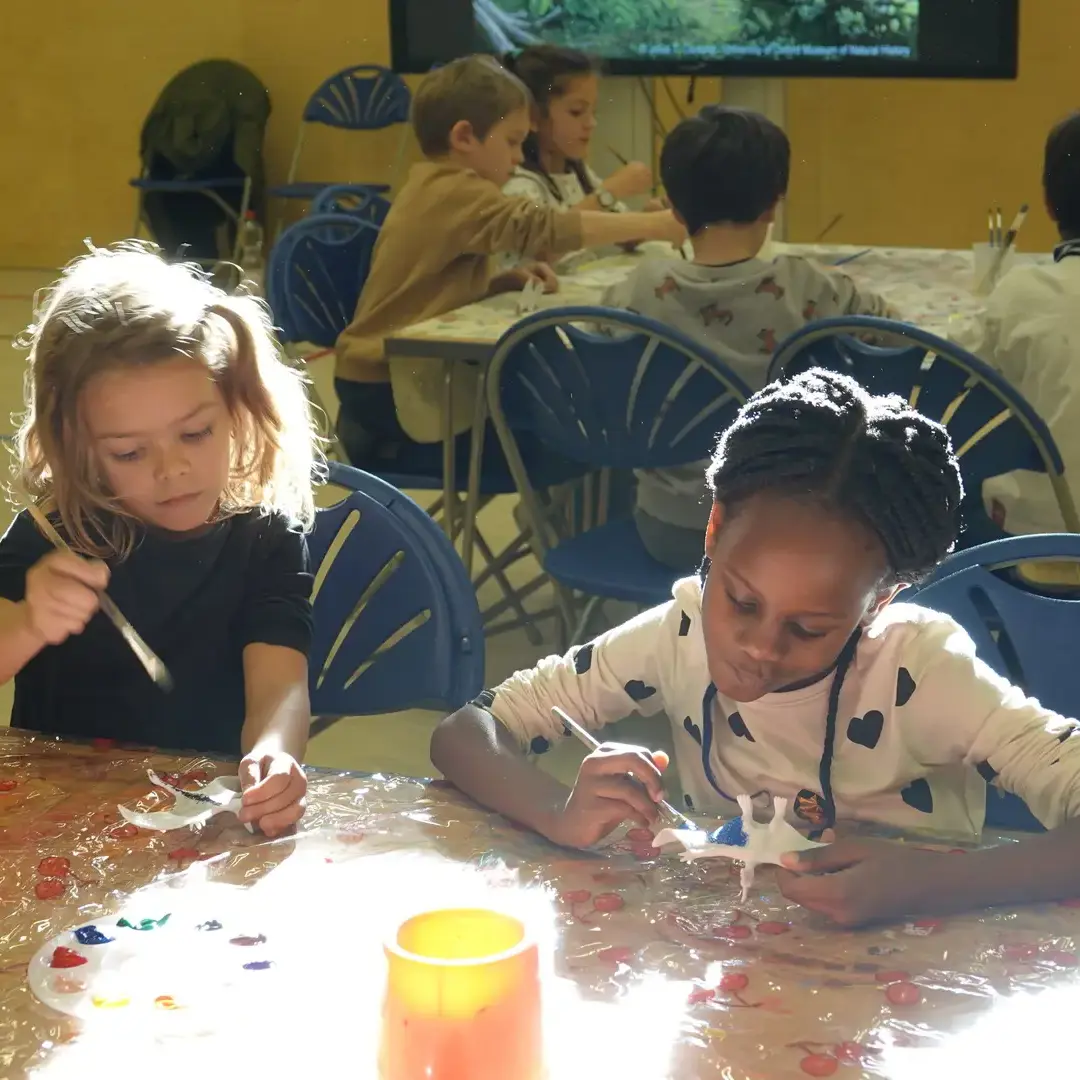
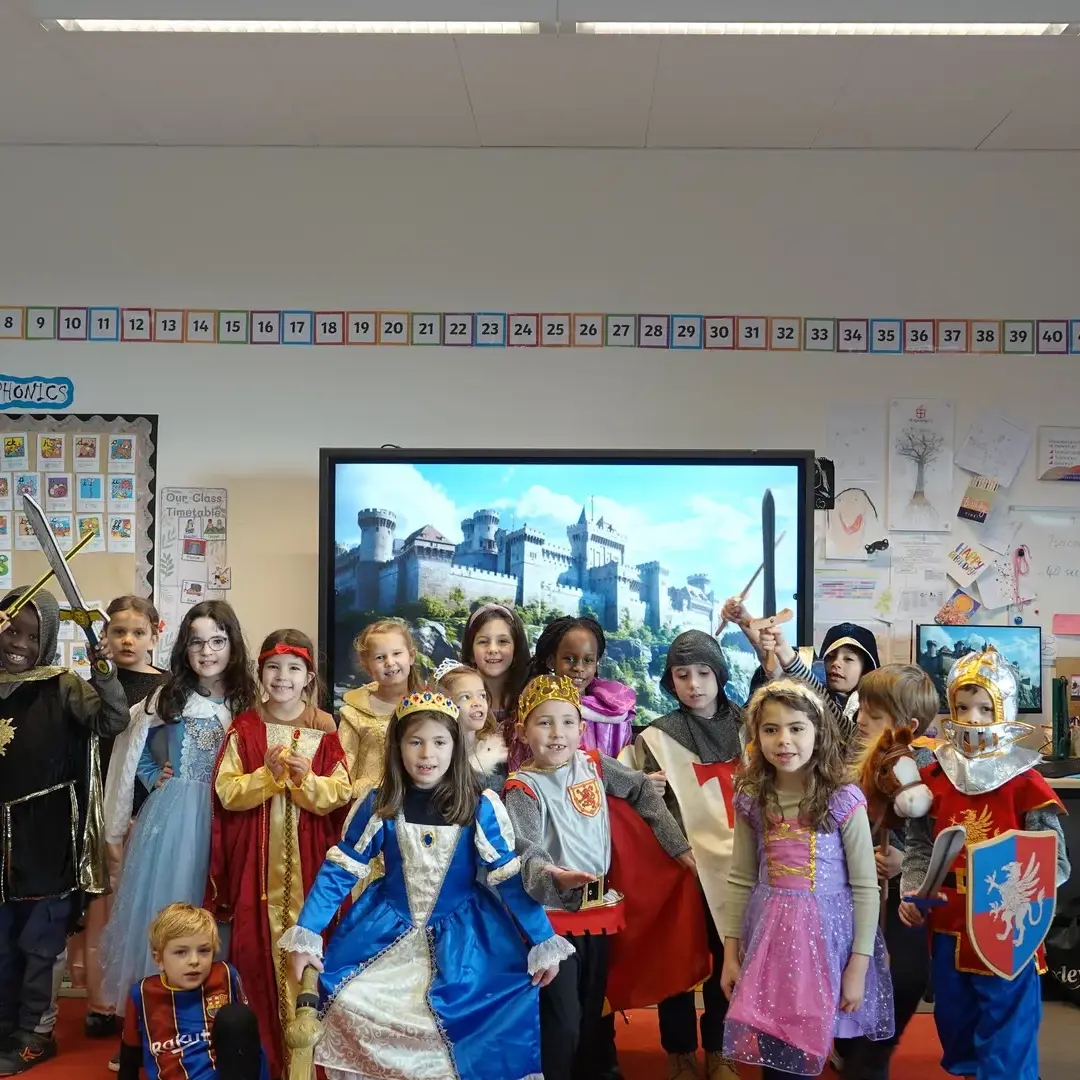
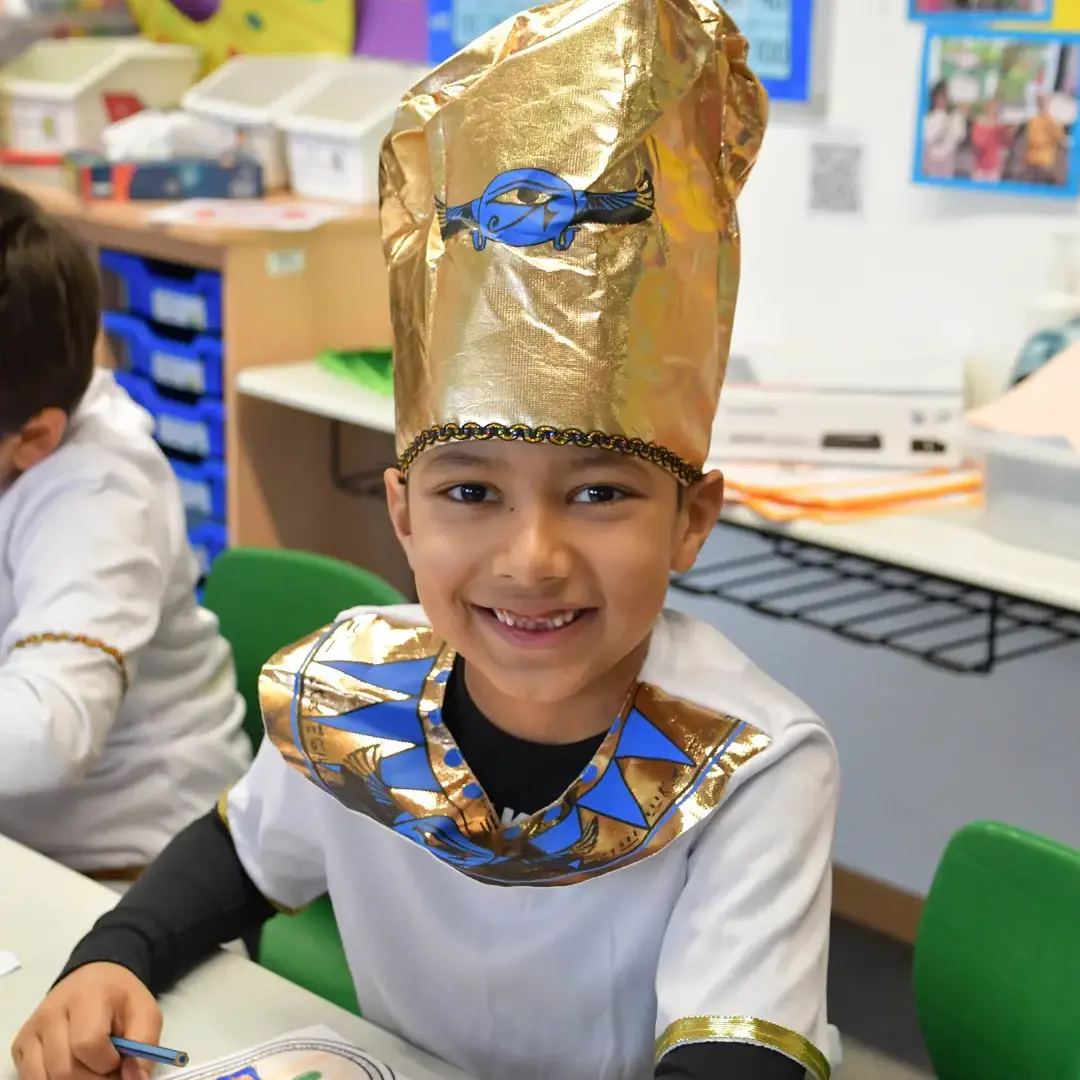
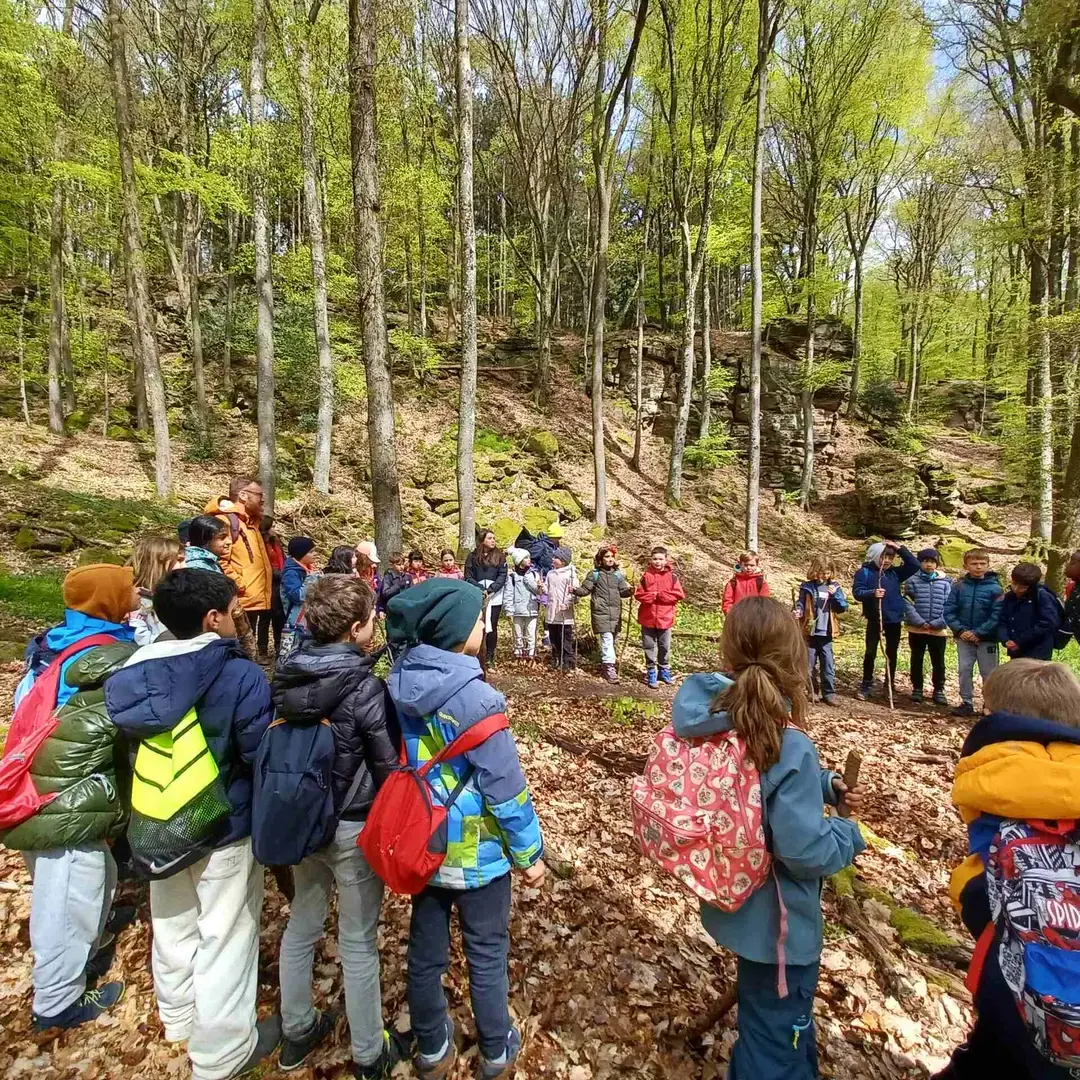
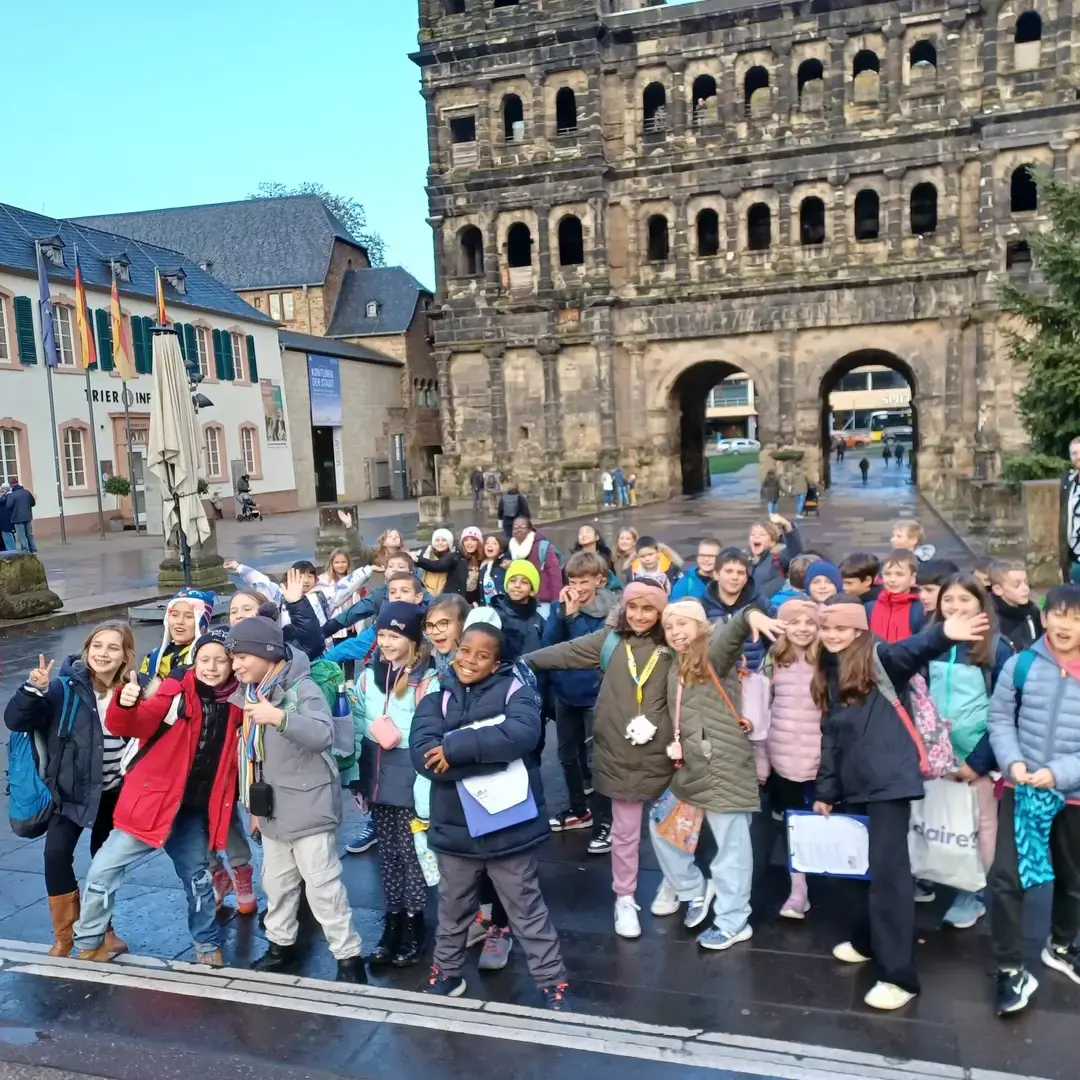
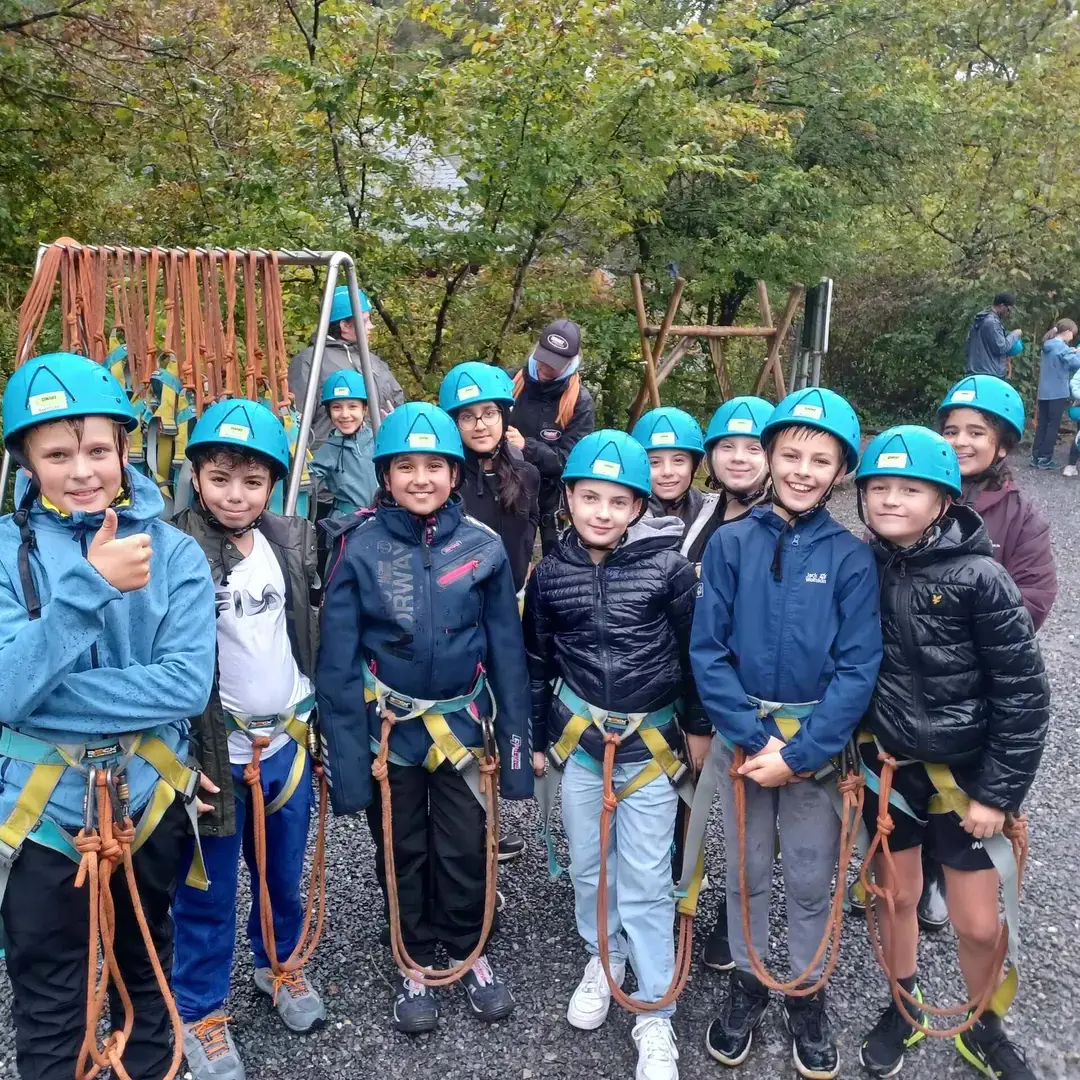
There are many causes for celebration at St George’s and students look forward to a variety of events and interactive learning opportunities throughout the year. Book Week, Sustainability Week, dress-up days, assemblies and shows, trips and excursions... there is always something fun on the horizon.
LEARN MORE
Student Journey
Continue exploring St George's!